 ~ MIXED
Recovery
Silk Pillowcases
Lower friction genuinely helps hair breakage and bedhead. The wrinkle-prevention claim has no controlled evidence — silk still compresses the face.
Also called: silk pillowcase · satin pillowcase · mulberry silk hair
Verdict — mixed
Real in part — the claim outruns what it actually does.
Evidence grade D
Nobody has demonstrated this works. Note that this grades the evidence, not the danger — read the verdict for that.
Mechanism
A smoother fibre surface reduces friction against the hair cuticle, lowering mechanical breakage and frizz. Compression force, which is what causes sleep lines, is unchanged by fabric.
Citations
- Friction and mechanical damage to hair: effects of surface and fibre propertiesInternational Journal of Cosmetic Science · 2017
The full read
Split the two claims. The hair one is plausible and consistent with what we know about mechanical damage — lower friction, less cuticle abrasion, less morning tangling — and is the reason curly-hair communities have used silk and satin for decades. The face one does not follow: sleep lines come from pressure and shear over hours (see `side-sleeping-lines`), and a slippery surface reduces shear slightly while doing nothing about the compression. A secondary point in silk's favour is that it absorbs less of your skincare than cotton does. Buy it for hair; treat any wrinkle benefit as unproven.
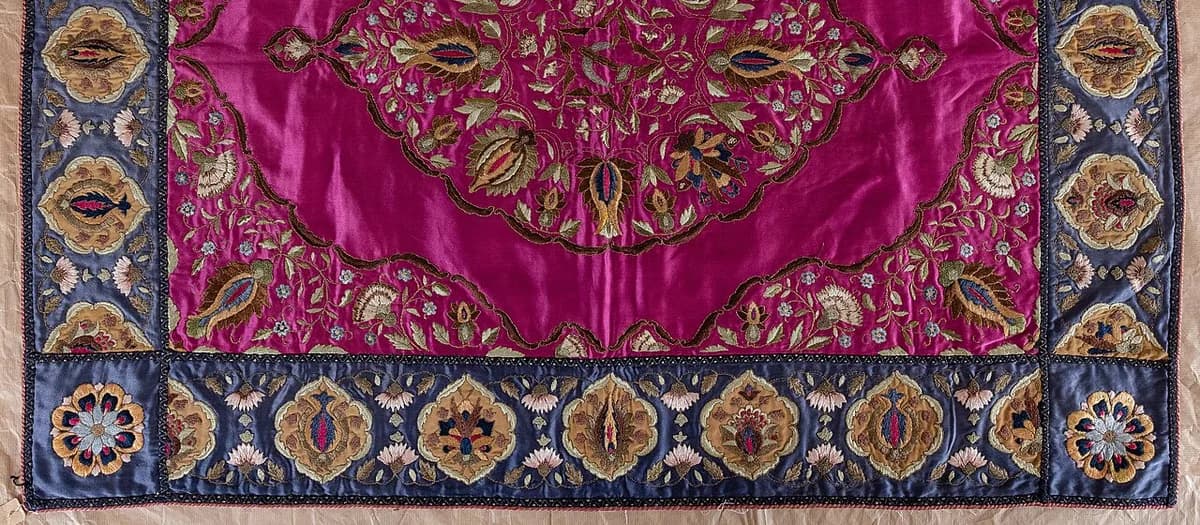
Photo: Pillow-case. Silk fabric and thread, silver thread, golden thread, dual chain stich. Authors M. Tskhomelidze, T. Zuliashvili, L.Gogua. 1962.jpg by Art Palace · CC BY-SA 4.0 via Wikimedia Commons.