 ✕ COPE
Dental
Activated Charcoal Toothpaste
Abrasive, usually fluoride-free, and it removes stain by sanding enamel. Over time it makes teeth yellower by exposing the dentine underneath.
Also called: charcoal toothpaste · black toothpaste · charcoal whitening
Verdict — cope
The mechanism does not hold. Your time is better spent elsewhere.
Evidence grade B
At least one good randomised trial, or consistent findings across controlled studies.
Mechanism
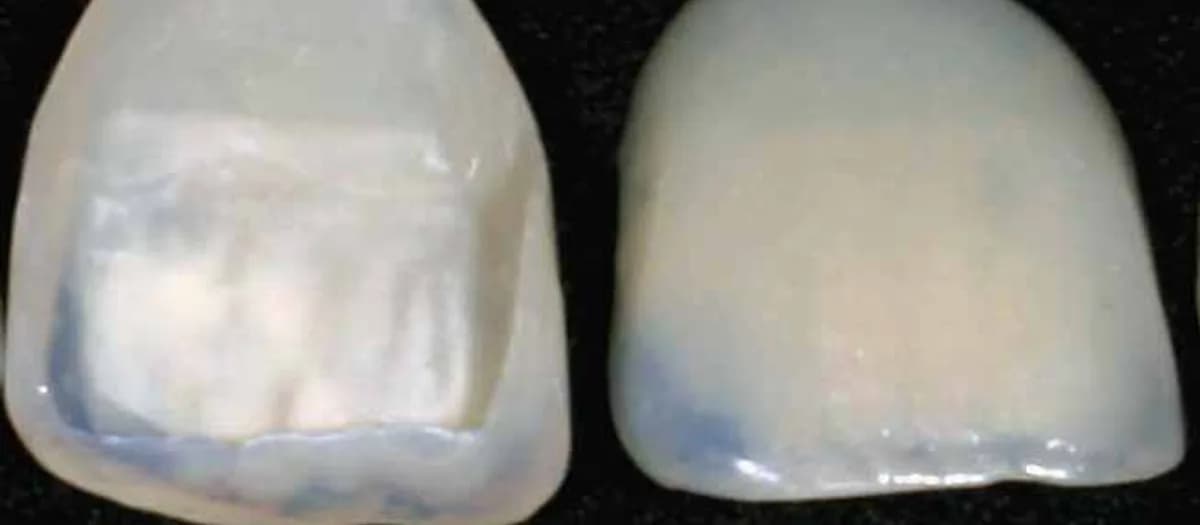
Charcoal particles abrade surface stain mechanically. Enamel is translucent and thin; abrading it reveals more of the naturally yellow dentine beneath, so the long-term direction is darker, not whiter.
Citations
- Charcoal-based dentifrices: a literature review on safety and efficacyJournal of the American Dental Association · 2017
The full read
A literature review in the ADA's own journal found no evidence of safety or efficacy for these products, and the abrasivity concern is the substantive one — plus most formulations omit fluoride, so daily use trades caries protection for a short-term cosmetic effect that reverses into its opposite. The mechanism is worth internalising because it generalises: anything that whitens by abrasion is borrowing against enamel you do not get back. Peroxide-based whitening bleaches the chromophores instead, which is why it is the one with the evidence (`teeth-whitening`).
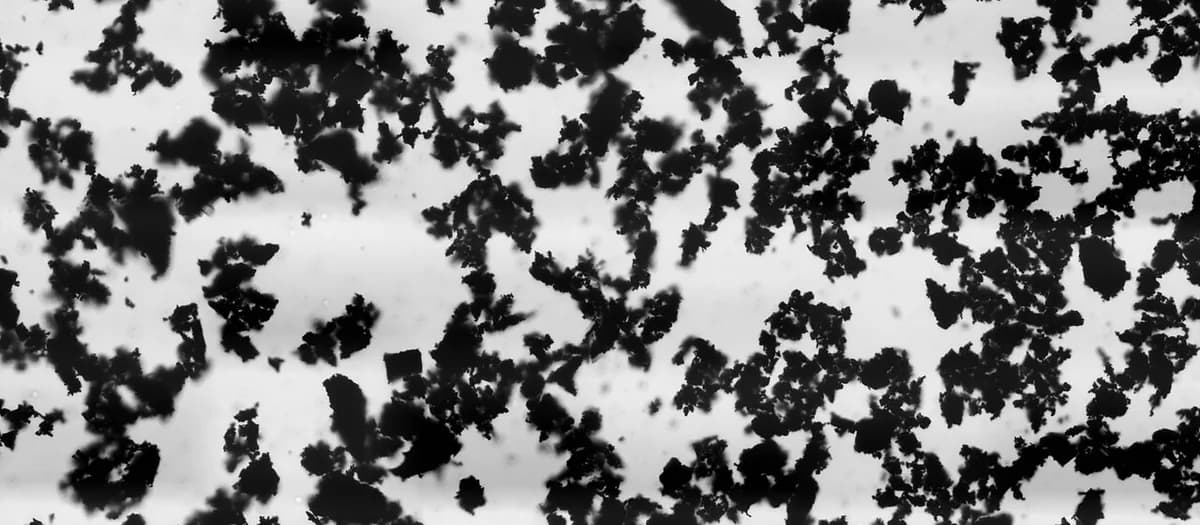
Photo: ActivatedCharcoalPowder BrightField.jpg by Zephyris · CC BY-SA 3.0 via Wikimedia Commons.