 ~ MIXED
Skincare
Vitamin C Serum (L-Ascorbic Acid)
Genuine antioxidant and pigment evidence at 10–20% and low pH — but the molecule oxidises fast, and a browned bottle is doing nothing.
Also called: vit c serum · ascorbic acid · l-aa 15%
Verdict — mixed
Real in part — the claim outruns what it actually does.
Evidence grade B
At least one good randomised trial, or consistent findings across controlled studies.
Mechanism
Cofactor for prolyl and lysyl hydroxylase in collagen synthesis; quenches UV-generated reactive oxygen species; inhibits tyrosinase.
Citations
- Topical L-ascorbic acid: percutaneous absorption studiesDermatologic Surgery · 2001
- Stability of vitamin C derivatives in solution and topical formulationsJournal of Pharmaceutical and Biomedical Analysis · 2016
The full read
The evidence for photoprotective and pigment benefit is decent and the formulation problem is the whole game. L-ascorbic acid needs pH below 3.5 to penetrate, degrades on exposure to light, air and heat, and the classic ferulic-acid-plus-vitamin-E stabilisation exists precisely because plain solutions do not survive. Practical read: buy small bottles, use them fast, store them dark, discard when the liquid turns amber. Derivatives are stabler and weaker. Used under sunscreen in the morning it is a reasonable addition; it is not competing with a retinoid.
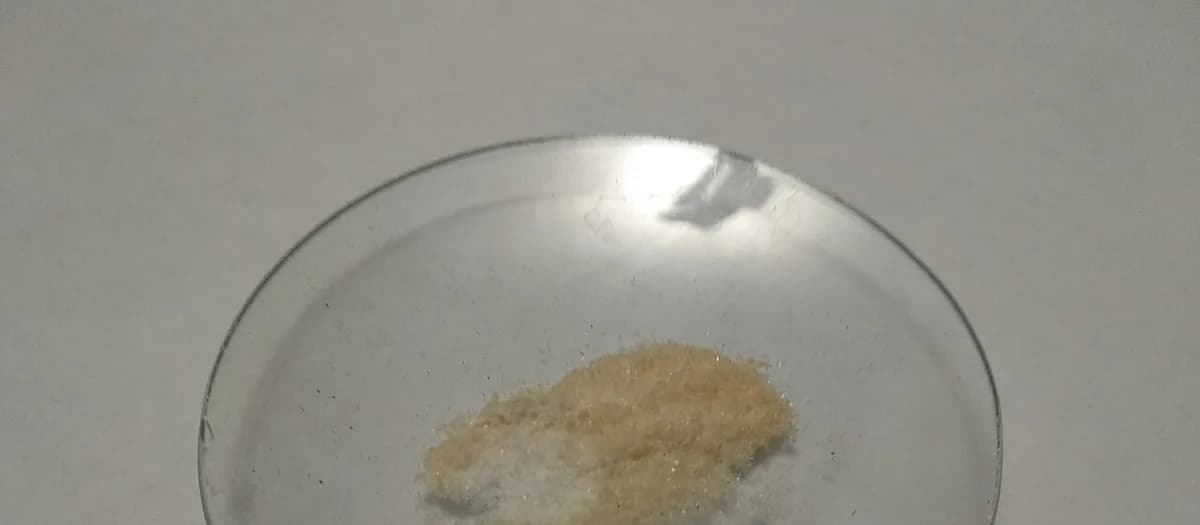
Photo: Ascorbic acid oxidized.jpg by L29Ah · CC0 via Wikimedia Commons.